Nautical Chic: Elegant Touches Without the Clichés
When it comes to interior design, nautical inspiration has long been associated with stripes, anchors, ropes, and a rather repetitive palette of navy blue and white. While these elements undeniably evoke the sea, they can easily slip into cliché if used too heavily. The challenge today is to reinterpret the maritime aesthetic with elegance, subtlety, and originality, so that it becomes timeless rather than themed. Nautical chic is not about staging a seaside postcard in your living room, but about weaving refined references into modern, livable spaces.
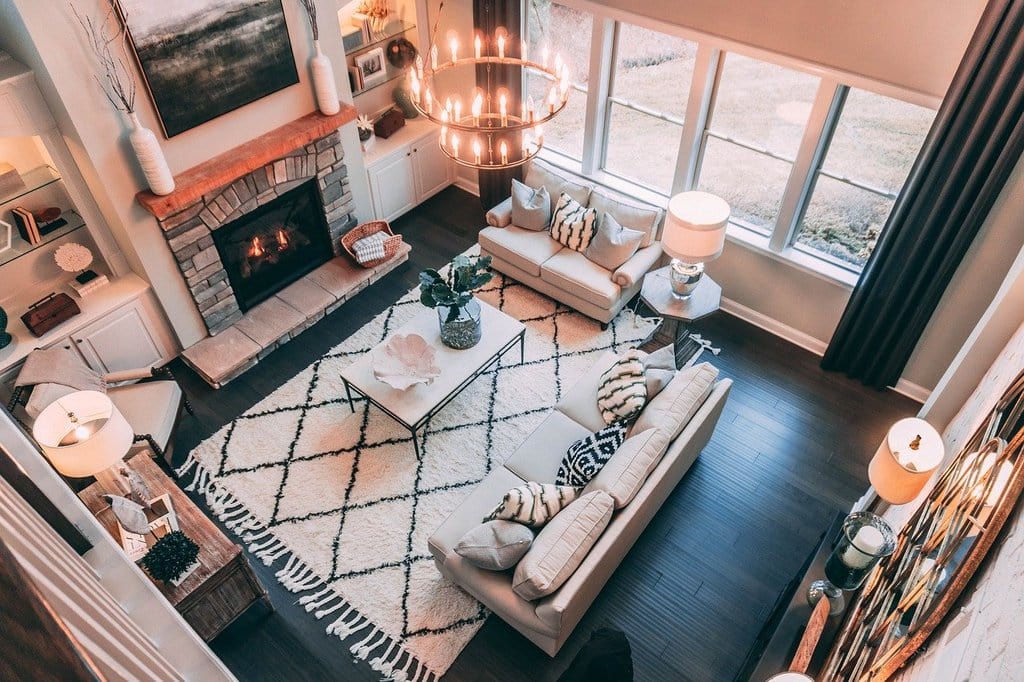
 The success of this approach relies on balance. Instead of covering an entire room with marine stripes or filling it with rope accessories, designers now prefer small touches that suggest the sea without overwhelming the space. A textured rug reminiscent of sand, a wooden coffee table with a washed finish, or cushions in muted ocean hues can all hint at maritime influences. Subtlety is the key. It’s better to create layers of inspiration rather than an obvious theme. This philosophy is also reflected in high-end furniture collections from maisons like Starbay, which celebrate exotic woods and elegant craftsmanship inspired by voyages, while avoiding stereotypes.
One way to elevate nautical style without falling into banality is to work with material contrasts. For instance, pairing smooth lacquered wood with rougher textures such as linen or sisal brings depth and character. Designers often incorporate exotic timbers with beautiful grains, which recall the interiors of luxury yachts, rather than resorting to generic anchor motifs. Authenticity in materials speaks louder than overt symbols. The result is a discreet evocation of the sea, where craftsmanship replaces ornamentation and subtle design choices replace literal references.
Color also plays a major role in moving nautical chic away from clichés. The classic navy and white duo, while still relevant, can be enriched with tones such as sandy beige, driftwood grey, deep turquoise, or even muted coral. By broadening the palette, designers open up a world of possibilities that feel less predictable and more in tune with contemporary interiors. Imagine a dining room with soft beige walls, dark wooden chairs, and a table adorned with linen napkins in shades of aquamarine. This color harmony captures the spirit of the coast without ever shouting it.
Furniture choices are equally important. Instead of kitschy pieces covered with maritime motifs, opt for high-quality designs with subtle marine inspiration. Campaign-style trunks, brass hardware reminiscent of boat fittings, and handcrafted wooden cabinets evoke a sense of adventure and travel. These details are luxurious, not loud. They allow the homeowner to enjoy a nautical atmosphere without sacrificing elegance. By integrating functional yet stylish items, the space remains both practical and evocative, creating a home environment that feels curated and sophisticated.
Lighting is another element that can make or break a nautical chic interior. Harsh, overly themed fixtures can quickly cheapen the look, while well-selected lamps or lanterns can create the perfect ambiance. Glass globes with brass accents, wall sconces with leather details, or pendant lights in neutral tones are all ways to bring gentle maritime hints into the room. The idea is not to recreate a ship’s cabin but to reinterpret its spirit in a way that feels contemporary and welcoming. The right light enhances textures and colors, making every detail resonate.
Art and decoration require careful curation to avoid drifting into kitsch. Instead of obvious lighthouse paintings or overused anchor prints, consider photography of abstract seascapes, contemporary sculptures in driftwood, or ceramics glazed in ocean tones. A single standout piece can convey the essence of nautical inspiration more effectively than dozens of small, repetitive accessories. By treating décor as art, you elevate the entire space and keep it free from clichés. The goal is to suggest the maritime world in a poetic, elegant way rather than imposing it.
Textiles also provide a rich medium for maritime references. Natural fabrics like linen, hemp, and cotton evoke both comfort and authenticity. A sofa dressed with cushions in varying shades of blue, a bedspread in muted stripes, or curtains in sandy tones can subtly introduce the nautical spirit. Patterns inspired by waves or abstract interpretations of coral can also replace the standard sailor stripes, offering fresh visual interest. Texture and pattern layering help the space feel alive without being themed.
It’s worth noting that nautical chic is not limited to coastal homes or holiday properties. Urban apartments can embrace this style too, provided it is adapted with care. A Manhattan loft with polished concrete floors can still integrate a touch of exotic wood and marine-inspired brass details without looking out of place. In fact, the juxtaposition of maritime references with modern architecture can create a powerful and striking effect. This versatility is what makes nautical chic so relevant today: it adapts to different contexts while retaining its essence of travel and elegance.
Ultimately, the secret lies in telling a story. Nautical chic works best when it evokes a sense of journey, discovery, and refinement. By focusing on authentic materials, balanced palettes, and carefully chosen accents, one can build an atmosphere that resonates emotionally without resorting to tired symbols. The sea becomes an inspiration rather than a costume. Spaces designed this way feel warm, lived-in, and refined—ready to welcome guests with charm and personality, while maintaining a timeless aesthetic that avoids passing trends.